
Replacing saturated fat with healthier unsaturated fats can help protect your heart. Common sources of saturated fat include fatty meats, full-fat milk and cheese, butter, and cream cheese.
We need some dietary fat to give us energy, develop healthy cells, and help absorb some vitamins and minerals. But unsaturated fat is better for us than saturated fat. See common sources of saturated and unsaturated fat.
To replace saturated fats with unsaturated fats, try this:
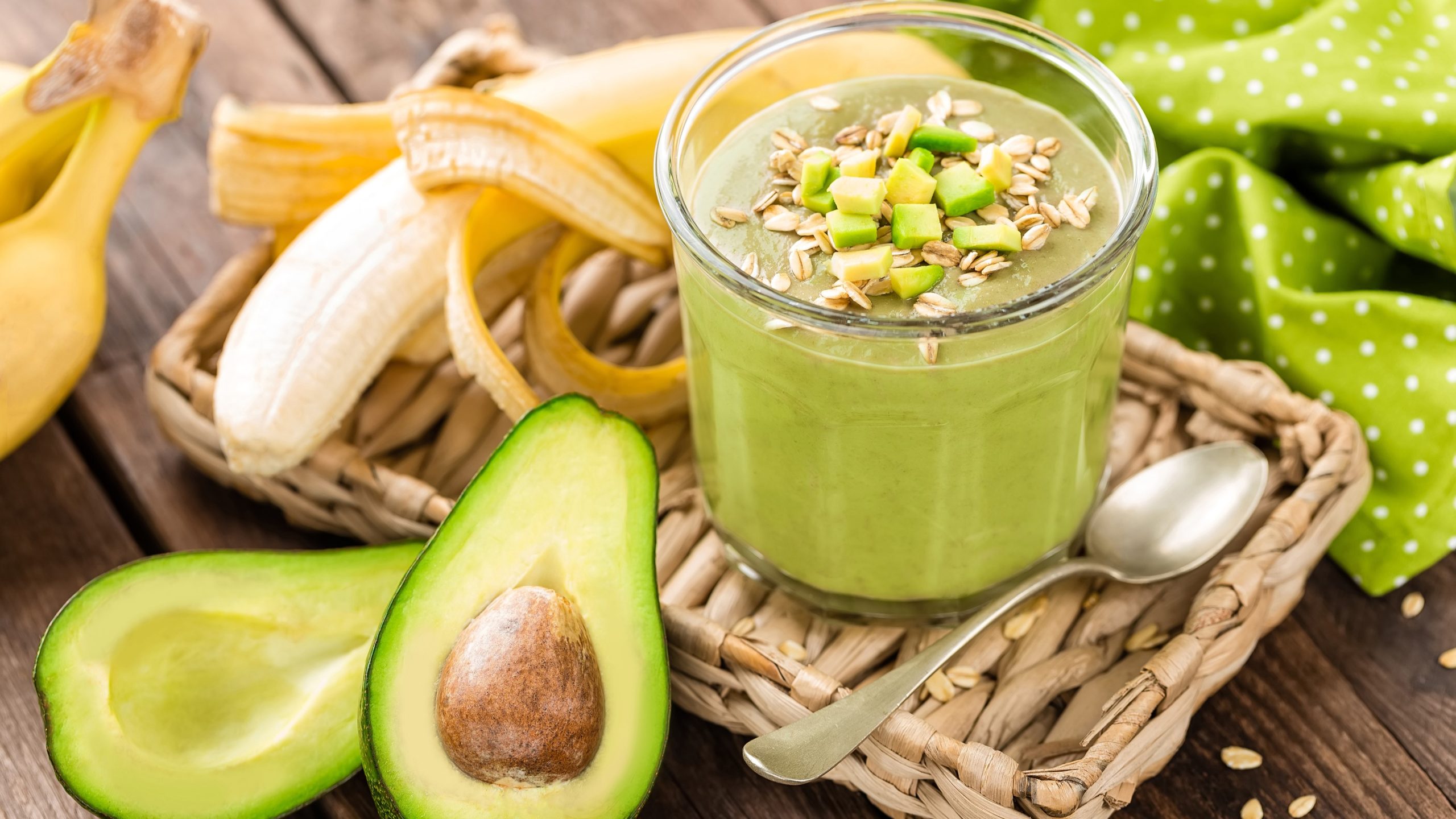
- Replace whole milk in a smoothie with low-fat yogurt and an avocado.
- Sprinkle nuts or seeds on salads instead of cheese.
- Use beans or seafood instead of processed or high-fat meats as a source of protein.
- Cook with oil instead of butter or margarine.
- Try canola, olive, peanut, safflower, soybean, or sunflower oil.
- Try canola, olive, peanut, safflower, soybean, or sunflower oil.
- Replace full-fat milk and cheese with low-fat or fat-free versions.
Cut back on sodium
Eating too much sodium can raise your risk of high blood pressure, heart attack, and stroke. More than 70% of the sodium Americans consume comes from packaged and prepared foods. While sodium has many forms, 90% of the sodium we consume is from salt. See the top sources of sodium.
To cut back on sodium, try this:
- Find alternatives to salt to add flavor to your meals.
- A squeeze of lemon juice.
- A dash of no-salt spice blends.
- Fresh herbs.
- A squeeze of lemon juice.
- Eat high-sodium processed and prepackaged food less frequently.
- Common foods with high sodium include breads, pizza, and deli meats.
- Common foods with high sodium include breads, pizza, and deli meats.
- Read the Nutrition Facts label to find foods low in sodium.
- Buy unprocessed food to prepare at home without salt.
- Good options include fresh or frozen vegetables.
- Good options include fresh or frozen vegetables.
Aim for a variety of colors
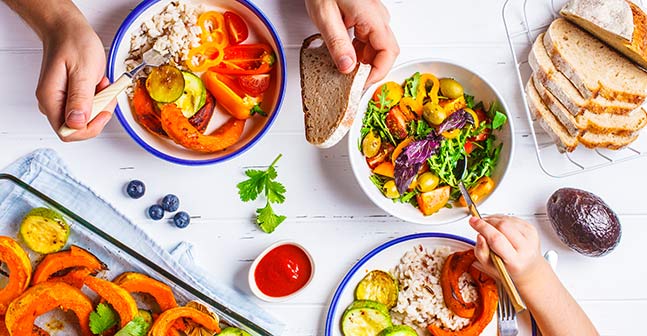
A good practice is to aim for a variety of colors on your plate. Fruits and vegetables like oranges, tomatoes, and dark, leafy greens—and even fresh herbs—are loaded with vitamins, fiber, and minerals.
To get a variety of healthy foods, try this:
- Sprinkle fresh herbs over a salad or whole-wheat pasta.
- Make a red sauce with fresh tomatoes, fresh herbs, and spices.
- Or start with canned tomatoes with no salt added.
- Or start with canned tomatoes with no salt added.
- Add diced vegetables to stews and omelets to boost color and nutrients.
- Peppers, broccoli, and onions are great options.
- Peppers, broccoli, and onions are great options.
- Top low-fat, unsweetened yogurt with your favorite fruit.
More information
General
- Nutrition in Daily Life features
- Eat Healthy Foods
- Tips to Help Your Picky Eater
- Benefits of Healthy Eating
- Build a Healthy Eating Routine
- Shop Simple with My Plate
- MyPlate Recipes






0 Comments